
Party ideas
Bean Bag Ideas for Events: Flexible, Relaxed Seating
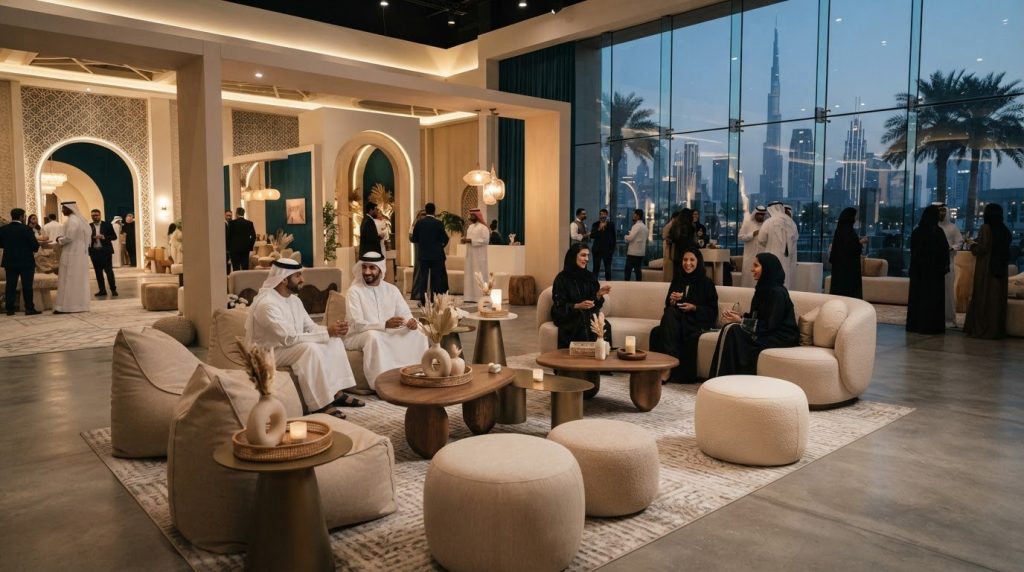
What if an overlooked corner could become a place guests remember? A bean bag can turn unused space into a relaxed lounge without making the whole event feel too informal. Low seating won’t suit every occasion or every guest, so plan where it belongs and how people will move around it. With a thoughtful layout, bean bags can encourage conversation while keeping the event flowing.
Treat seating as part of the event setup, not an afterthought. Pair bean bags with sofas, low tables and coordinated décor to create a welcoming area that feels considered and comfortable. The ideas below can help you choose a suitable spot, build a practical layout and make this flexible seating work for your guests.
From lounge corners and small social clusters to breakout spaces, the right arrangement gives each zone a clear purpose without blocking walkways or interrupting the main event. Whether you’re planning a private party or a corporate function, consider the activities, the venue and the mix of guests before deciding where bean bags fit.
Key Takeaways
- Use a bean bag to create informal seating within a larger event layout, while keeping the overall atmosphere in mind.
- Give each seating zone a purpose, so social breaks and relaxed conversations have a natural place.
- Compare bean bags with cushions, sofas and event chairs by formality, flexibility, footprint and guest needs.
- Plan around the venue and event activities, then walk through the layout to check that guests can move comfortably.
- Combine bean bags with other event furniture and décor to make the lounge feel like part of a coordinated setup.
Why Bean Bags Can Work So Well in Relaxed Event Seating
Bean bag seating is soft, low seating that gives an event a more informal feel. Because each seat can be moved, it can turn an unused corner into a small lounge or distinguish a social area from the main dining space. It works best as one part of the layout, rather than as a replacement for every chair.
The chair has a distinctive design history, from the Italian “Sacco” to its place in popular culture. For a little background, explore the history of the bean bag chair. At an event, its practical value is simple: it gives guests a relaxed place to pause, chat or take a break between activities.
What makes bean bag seating different?
Unlike a conventional chair, a bean bag sits close to the floor and gives a gathering a softer, less formal look. Arrange seats in small groups to invite conversation, and keep more structured seating nearby for guests who prefer it. Think about who will use the area and how long they may sit there: a low, relaxed seat won’t be comfortable or easy to use for everyone.
Which events can benefit from a bean bag area?
Casual celebrations, family events and informal networking breaks can benefit from a separate lounge zone. It gives guests an alternative to dining seats when they want to chat or take a breather. Pairing bean bags with sofas or low tables helps the area feel connected to the rest of the event, rather than like furniture placed at random.
Keep guest needs in view. A low seat may feel welcoming to some, but getting down to it and standing back up may be difficult for others. Older guests, people with limited mobility and anyone who prefers a supportive, higher seat may be more comfortable in a conventional chair. A mix of seating lets guests choose what suits them.
Event tone matters, too. A relaxed corner can soften a family celebration or offer a casual contrast at a corporate function, while a formal programme may call for more upright seating as the main arrangement. Consider the activities and routes guests need to use. With those factors in mind, bean bags can add a welcoming option without making the whole event feel informal.
Bean Bag Seating Ideas for Different Event Zones
Think of seating zones as small destinations within the event, each with a clear purpose. A bean bag area can give guests a place to talk, wait or take a breather, separate from dining and scheduled activities. Position it with the venue’s layout in mind, so the seats feel inviting without becoming an obstacle.
Create a conversation corner
Arrange seats in a loose grouping, angled toward one another rather than lined up against a wall. This makes conversation feel natural for friends at a private celebration or colleagues meeting informally during a corporate function. A low table in the middle gives guests somewhere to set down personal items and helps anchor the group. Leave a clear route around the seating for guests and staff, away from doorways and busy service paths.
If the plan includes sofas or chairs, place them nearby to offer a mix of seating heights and make the lounge feel like one connected space. Guests can choose the seat that suits them while remaining part of the conversation.
Add a casual break zone
At a reception, family celebration or gathering with activities spread across the venue, a separate break zone gives guests a change of pace. Place it near the main activity area, but outside the busiest circulation path. Guests can step aside to chat or rest without blocking movement between the entrance, dining area and event programme.
For example, a quiet corner beside a social space can give family members a place to pause while the celebration continues nearby. At a corporate event, a lounge set apart from the main gathering area can support informal conversations during a break. Nearby sofas or coffee tables can extend the zone when the floor plan allows, while chairs offer an alternative for guests who prefer to sit higher.
Make a waiting area feel welcoming
If guests may arrive at different times or wait between activities, create a small seating group near the relevant area, not directly in the entrance route. That makes a pause feel intentional rather than like standing around. Keep the purpose clear: waiting guests should be able to see where they need to go next, and the group shouldn’t spill into nearby dining or walking space.
Before settling on a layout, picture how guests will approach, use and leave each zone. A few well-placed seats can make an underused corner useful; too many can crowd the event. For a coordinated setup, consider how event furniture and décor can support the layout around your seating areas.
Bean Bags Compared With Cushions, Sofas, and Event Chairs
Each seating type brings a different feel and function to an event. A bean bag offers an informal individual seat, while floor cushions keep seating close to the ground and can serve as flexible accents. Sofas create a shared lounge, and event chairs provide a more upright option. Choose the mix based on the event’s tone, floor plan and the guests who’ll use the space.
| Seating type | Formality | Flexibility and footprint | Guest suitability |
|---|---|---|---|
| Bean bags | Relaxed and informal | Can be moved to shape a small seating group; allow room for guests to sit low | Suit guests comfortable sitting close to the floor |
| Floor cushions | Very casual | Easy to arrange as floor-level accents; work best where floor seating suits the occasion | Offer a low seating choice, but may not suit guests who need more support or an elevated seat |
| Sofas | Relaxed, with a more defined lounge feel | Create a shared seating area and need a planned place within the layout | Useful for guests who prefer a conventional cushioned seat, though shared seating may not suit everyone |
| Event chairs | From casual to formal, depending on the setup | Can be arranged in rows or around tables; require clear space for access | A practical choice for dining, presentations and guests who prefer sitting higher |
When bean bags make more sense than chairs
Choose low seating for a lounge where the aim is to encourage guests to settle in informally, rather than sit upright for a programme. Chairs are generally a better fit for seated dining, presentations or formal proceedings, where guests need a consistent, upright place to sit. Consider mobility and ease of access, too. Keep chairs available for anyone who may find getting down to or rising from a low seat uncomfortable.
How bean bags and floor cushions differ in a layout
A bean bag generally functions as an individual seat, while floor cushions can be arranged as flexible accents in a casual zone. Together, they can create varied low-level seating, but neither should be treated as a universal stand-in for chairs or sofas. Consider how long guests will sit, what the event asks them to do and whether floor-level seating is suitable for them.
A balanced layout lets each piece do its job. Pair low seating with chairs or a sofa so guests have a choice, and leave enough room around each option for comfortable movement.
How to Plan a Comfortable Bean Bag Layout
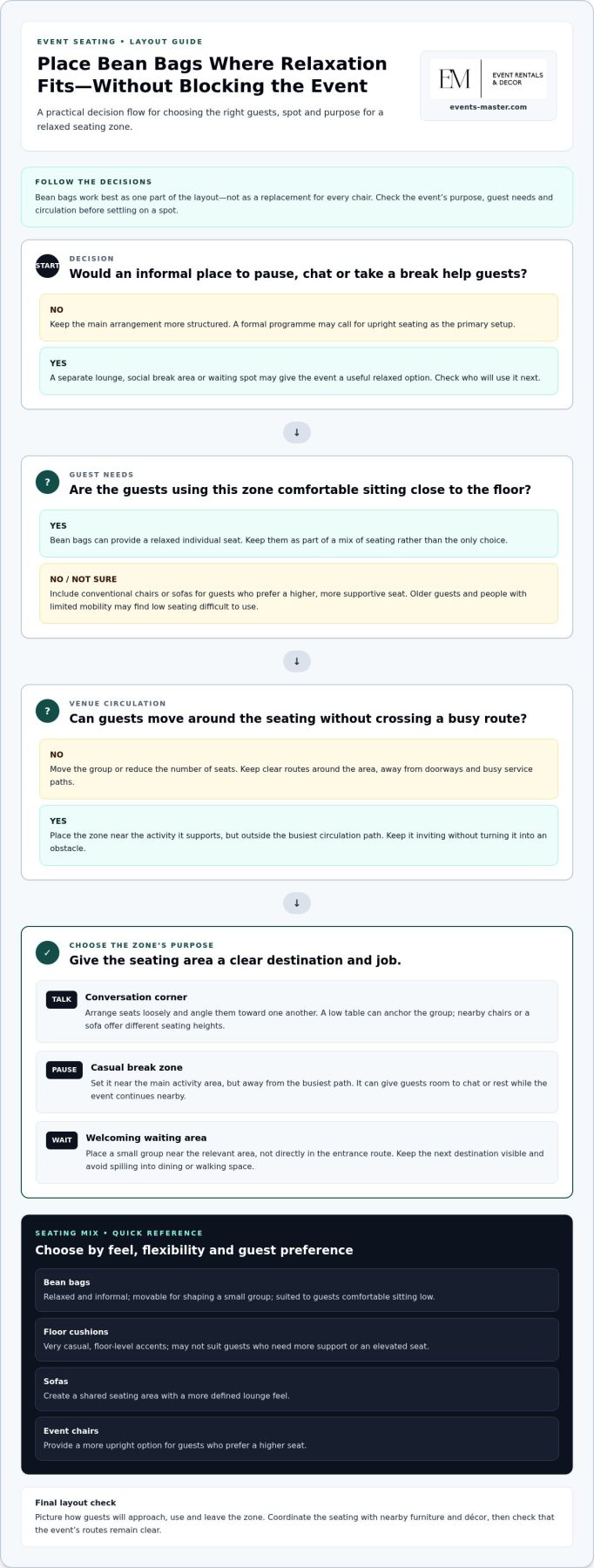
A comfortable seating area starts with a clear purpose. Before placing a bean bag, consider who’ll use the zone, what guests will do there and how the event space will be used throughout the schedule. A lounge for a quiet break needs a different position from a social spot beside the main gathering. Plan the layout as part of the full setup, not in isolation.
- Define the activity. Decide whether the zone is for conversation, waiting or a pause between event activities.
- Read the venue. Note entrances, dining areas, service routes and existing furniture before choosing a spot.
- Choose a suitable position. Keep the seating easy to reach, but outside busy paths and away from doors or areas staff need to access.
- Build in choice. Include standard-height chairs or a sofa for guests who prefer a higher, more supportive seat.
- Walk the layout. Picture guests arriving, sitting down and moving on. Adjust the arrangement if it interrupts another activity or narrows a route.
Plan the space around guests and activities
Match the zone to the event schedule. If guests will use it during a break, place it near the main activity while keeping a clear route between the two. For a quieter pause, choose a less busy edge of the space. Consider guest mobility as well: low seating won’t suit everyone, so keep a conventional seating option accessible rather than tucked away.
Coordinate the seating with the rest of the setup
Make the area feel connected to the event. Pair low seating with a nearby sofa or coffee table where the floor plan allows, and use surrounding décor or colours that complement the wider setup. Keep practical needs in view as you style: tables shouldn’t obstruct walkways, and décor shouldn’t hide entrances or access to other seats. A cohesive zone can still leave room to move.
For a private party or corporate function, Events Master LLC can bring seating into a coordinated furniture and décor setup. Explore event seating options as you plan a welcoming, easy-to-navigate space.
Bring Bean Bag Seating Into a Coordinated Event Setup
Low seating can add a relaxed note to an event, give guests a place to pause and help turn an unused area into a purposeful lounge. The trade-off is that it won’t suit every guest or activity. A balanced setup keeps more conventional seating available and makes the relaxed zone one part of the overall plan, rather than asking it to do every job.
Think of the seating as part of the room’s wider composition. Bean bags can sit beside a sofa, coffee tables and coordinated décor, while chairs remain near dining or presentation areas. The aim is a setup that feels welcoming and considered, with each zone serving its own purpose.
A quick checklist before choosing bean bags
- Give the zone a purpose. Decide whether it’s for a social pause, informal conversation or a break between activities.
- Protect movement. Keep entrances, service routes and access to other seating clear. Make sure guests can approach and leave the lounge without crossing a busy area.
- Offer a choice. Include higher seating for guests who may find getting down to or rising from a low seat uncomfortable.
- Connect the look. Consider how the seating works with nearby furniture and décor, so the lounge feels like part of the event rather than an afterthought.
Turn a seating idea into an event-ready lounge
Start with the space and the event’s tone. In a more informal setting, low seating can create a relaxed contrast with dining chairs. For a more polished occasion, keep it to a clearly defined lounge area and let the main seating reflect the formality of the programme. Place a low table within easy reach, and use surrounding décor to tie the zone into the wider setup without crowding the paths guests need.
Events Master LLC rents bean bags alongside event furniture and décor for private parties and corporate functions. Bringing the seating together with sofas, tables and other décor can help shape a cohesive lounge that suits the occasion. Plan the arrangement around the venue and activities, keeping guest comfort and movement in view.
Ready to make a relaxed seating area part of your event plan? Explore event rental and styling options and plan a welcoming setup for your gathering.
Create a Welcoming Lounge for Your Next Event
A bean bag can make an event feel more relaxed when it has a clear place in the layout. Use low seating to shape a lounge or conversation area, but keep walkways open and provide chairs or sofas for guests who prefer a higher seat. The right mix depends on the event, the venue and how guests will use the space.
Bring the seating together with nearby tables and décor so the lounge feels like part of a thoughtful event setup. Events Master LLC includes bean bags in its event furniture rentals and provides event décor and styling services, drawing on experience dating back to circa 1996.
Ready to shape a comfortable space for your gathering? Explore event furniture and bean bag rental options and start planning a relaxed, welcoming setup. A few considered choices can help guests feel at home from the moment they arrive.
Frequently Asked Questions
What is a bean bag, and how is it used at events?
A bean bag is a soft, low seat that can create an informal place to relax or talk. At an event, it can help define a lounge corner or casual break area, giving guests a seating option away from dining or programme spaces. Plan the zone around its purpose and the guests who’ll use it, and keep clear routes to main seating and other event areas.
Are bean bags suitable for formal events?
Yes, they can suit a formal event when kept to a defined lounge or break area rather than used as the only seating. The surrounding furniture, colours and décor affect how relaxed or polished the zone feels. Consider the event programme and guest needs: conventional chairs may be more suitable for dining or presentations, while low seating can offer a casual option between activities.
How many bean bags do I need for an event?
The number depends on the space, the purpose of the zone and how many guests you expect to use it at once. Start by mapping the seating area and the routes guests and staff need to move through. Arrange seats with enough room to approach and leave comfortably. Treat them as part of a wider seating mix, rather than filling the zone so tightly that movement becomes difficult.
Can bean bags be used outdoors?
They may work in an outdoor event area if the seating and setup are suitable for the conditions. Consider exposure to sun, moisture and wind, along with the surface beneath the seats. Don’t assume every seat is designed for outdoor use. Keep the lounge within the event plan, away from obstructed routes, and provide another seating option for guests who would prefer a chair.
Are bean bags comfortable for all guests?
No single seating type is comfortable for everyone. A low seat may feel relaxing to some guests, while others may find it difficult to sit down or stand up. For a mixed group, offer different seat heights, such as chairs or a sofa alongside low seating. Consider how guests will enter, use and leave the lounge so the area feels welcoming and practical.
How can I style bean bags for an event?
Start with the event’s overall look and arrange the seats into a purposeful lounge area. Coordinate their placement with nearby furniture and décor, then add a low table if guests will use the space for conversation or a break. Keep the grouping open and avoid crowding pathways. A clearly defined zone can feel intentional while still fitting the event’s wider layout and activities.
Do bean bags replace chairs at an event?
Usually, they work best as an additional seating choice, not a full replacement for chairs. Low seating can create a relaxed lounge, while chairs may be more practical for dining, presentations or guests who prefer an upright seat. Combining both helps the layout serve different activities and comfort preferences. Plan the mix around the event schedule, guest needs and available space.